

Your tears do more than show up during a sad movie. Every blink spreads a thin layer of moisture across your eye’s surface, keeping your vision clear and your eyes comfortable while you read or scroll.
Dry eyes usually come on suddenly because your eyes aren’t making enough tears, or because the tears you do make evaporate too quickly. Screens, dry air, contact lenses, and a few common medications can tip that balance in a single afternoon.
Common Signs You Have Dry Eye
Dry eye doesn’t always feel dry. Some folks come in with eyes that water constantly and are surprised dryness is the reason.
Here’s what tends to show up when your tear film isn’t doing its job:
- A stinging or burning feeling
- A gritty sensation, like sand landed in your eye
- Redness across the white of your eye
- Sensitivity to bright light
- Blurry vision that clears for a second after you blink
What Can Be Mistaken for Dry Eye
A few other conditions copy those symptoms almost exactly. Eye allergies bring on itching and redness that can feel like dryness, especially during pollen season.
Irritated eyelids can be the real cause, too. Bacteria and tiny Demodex mites along the lash line cause blepharitis, which leaves eyes red and grainy. And yes, mites. Most of us have a few, and they usually keep to themselves.
Everyday Habits Linked to Sudden Dryness
Small daily routines add up fast. A few tweaks can make your eyes feel calmer by the afternoon.
Screen Time
You blink far less when you’re locked onto a phone or a monitor. Fewer blinks mean fewer fresh tears reaching the surface, so your eyes can dry out partway through a long work session.
Set a reminder and follow the 20-20-20 rule. Every 20 minutes, look at something about 20 feet away for 20 seconds. Setting your monitor slightly below eye level helps as well.
Contacts, Lash Extensions, and Lid Care
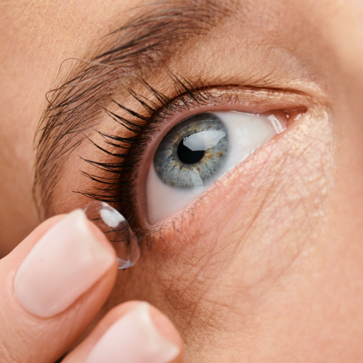
Sleeping in your contacts can disrupt your tear film overnight and leave you scratchy by morning.
Lash extensions come with their own trade-off. The adhesive and the extra length trap debris near your lash line, so bacteria collect right where you’d rather they didn’t.
Clean your eyelids daily with a gentle lid cleanser or warm water. It takes about 30 seconds and can stop buildup before it turns into irritation.

Your Surroundings
The air around you matters more than you’d expect. Low humidity pulls moisture from the surface of your eye, and smoke or a strong breeze speeds it up.
Heaters and air conditioning do the same, so if you sit under a vent all day, your eyes may feel parched by lunch. Point vents away from your face and run a humidifier where you spend the most time.
Health Conditions Behind Sudden Dry Eye
Sometimes the reason comes from inside your body. Hormone changes during menopause or pregnancy can affect how many tears you produce, which is why dryness turns up for many women in their 40s and 50s.
Diabetes can affect tear quality, and autoimmune conditions such as Sjögren’s syndrome often start with dry eye and a dry mouth.
Medications play their part. Antihistamines, decongestants, antidepressants, and some blood pressure medications can reduce tear production, so bring your list to your next appointment and we’ll factor it in.
What Your Diet Has to Do with Dry Eye
Nutrition affects every part of your body. Low levels of vitamin A or omega-3 fatty acids can leave your tears less stable than they should be. Work a few of these into your week:
- Salmon, sardines, or other oily fish
- Walnuts and ground flaxseed
- Carrots and sweet potatoes
- Eggs and leafy greens
How to Get Relief From Dry Eye at Home
Mild cases often settle down with small adjustments. Preservative-free artificial tears can add moisture back without the extra ingredients that can irritate your eyes.
Warm compresses feel soothing and can loosen up the oil glands along your lids. Pair that with regular screen breaks, and many people notice their eyes feel less gritty within a few days.
When Dry Eye Needs a Closer Look
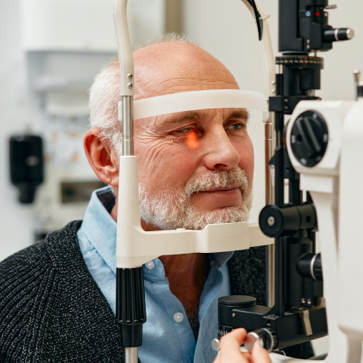
We can measure how quickly your tears evaporate and look closely at the oil glands in your eyelids. That helps us see what’s really behind the irritation and recommend treatments suited to your eyes.
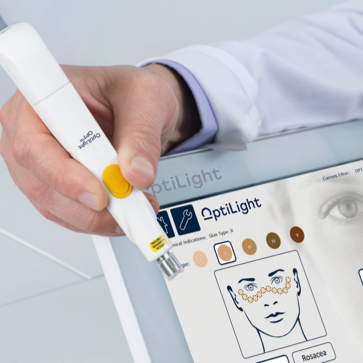
Depending on what’s causing your dry eye, we may also recommend in-office treatments like OptiLight, which can help manage dry eye associated with meibomian gland dysfunction and eyelid inflammation.
Dry Eye Relief Starts with an Exam
Dry eyes rarely resolve on their own while the cause remains in your day. An exam helps you find out what’s driving it.
The team at Visionarium Optometry has looked after families for decades, and we do our best to make eye care something you enjoy. Book an appointment and let’s get your eyes comfortable again.