Key Takeaways
- Dry eye can show up when your eyes make too few tears or your tears evaporate too fast.
- Screens, dry air, contact lenses, and some medications are linked to dryness.
- Simple habits like the 20-20-20 rule, lid cleaning, and a humidifier can help.
- Oily fish, walnuts, and leafy greens can support healthy tears.
- An optometrist can find what’s behind your dryness and build a plan for you.
One morning your eyes feel fine, and by lunch they sting like you’ve been sitting too close to a campfire. Our team at Visionarium Optometry hears this story often from busy parents, college students cramming for finals, and kids who love their tablets a little too much.
Sudden dry eye often happens when your eyes make too few tears or your tears evaporate too quickly, and simple daily habits plus professional care can help. You have plenty of ways to bring comfort back, from small changes at home to dry eye treatment at the clinic.
Why Dry Eye Can Show Up Suddenly
Every blink spreads a thin layer of tears across your eyes, keeping them comfortable and your vision clear.
When your eyes make too few tears, or your tears evaporate fast, you start to notice. Long screen sessions, dry air, contact lenses, and some medications are all linked to this shift.
Common Signs of Dry Eye
Dry eye can feel different from person to person, so watch for these signs:
- Your eyes sting, burn, or feel sandy and gritty.
- Your eyes look red, feel sensitive to light, or water constantly.
- Your vision blurs and clears for a moment after you blink.
Look-Alike Conditions to Know
A few other conditions can feel a lot like dry eye. Here are two to keep in mind:
- Eye allergies often bring itching and redness during pollen season.
- Blepharitis can come from bacteria or tiny mites along your lash line.
An eye exam can help sort out which one you’re dealing with.
Daily Habits Linked to Dry Eye
Screen Time and the 20-20-20 Rule
When you scroll your phone, play a game on a tablet, or type up a paper, you tend to blink less. Fewer blinks mean less moisture across your eyes.
Try the 20-20-20 rule. Every 20 minutes, look at something 20 feet away for 20 seconds. A window, a hallway, or the far end of a classroom all work. Setting your monitor slightly below eye level can help too.
Contacts, Lash Extensions, and Lid Care
Small daily choices around your eyes add up. A few to try:
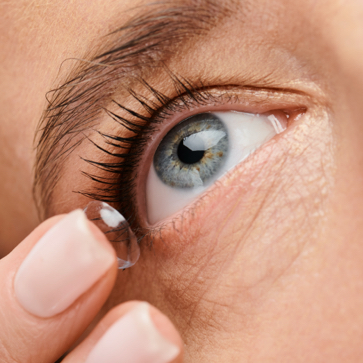
- Always take out your contacts before bed so your mornings feel more comfortable.
- Keep an eye on lash extensions, since lash glue can trap debris and bacteria.
- Spend 30 seconds each day cleaning your lids with a gentle cleanser.
Your Home, Dorm, and Office Spaces
Low humidity, smoke, and breezes can pull moisture away from your eyes. Point heater and AC vents away from your face, whether you’re at your desk or in the car.
A small humidifier where you spend your day, like your bedroom, dorm room, or office, can add moisture back into the air.
Health and Diet Factors Behind Dry Eye
Body Changes and Health Conditions
Sometimes dryness has more to do with what’s happening inside your body. These changes and conditions can be linked to dry eye:
- Hormones can shift during pregnancy or menopause.
- Diabetes can affect tear quality.
- Autoimmune conditions like Sjögren’s syndrome can play a role.
Medications to Mention at Your Visit
Some everyday medications can be linked to dry eye. Antihistamines and decongestants are common examples, along with some antidepressants and blood pressure medications.
Bring a list of everything you take to your appointment so your eye doctor can see the full picture.
Foods for Happier Tears
Your plate can support your tears too. Try adding these foods to family meals:
- Salmon, sardines, and other oily fish make easy weeknight dinners.
- Walnuts and ground flaxseed mix well into oatmeal or yogurt.
- Carrots, sweet potatoes, eggs, and leafy greens round out your meals.
Simple Ways to Soothe Dry Eye at Home
Here are a few easy steps to bring relief while you go about your day:
- Preservative-free artificial tears add gentle moisture.
- Warm compresses help loosen the oil glands along your eyelids.
- Regular screen breaks can help your eyes feel calmer.
When to See an Optometrist
If your dryness persists or worsens even with good habits, one of our optometrists in San Francisco can take a closer look. The same goes for new symptoms, like changes in your vision.
What Happens During a Dry Eye Exam
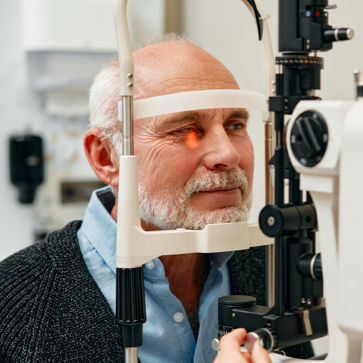
A dry eye exam is comfortable and straightforward, and during your visit, your eye doctor can:
- Check how fast your tears evaporate.
- Take a close look at the oil glands along your eyelids.
- Build a treatment plan suited to your eyes and your routine.
In-Office Treatment Options
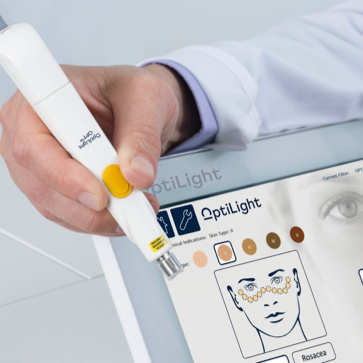
Your treatment depends on what’s behind your dryness. For oil gland and eyelid inflammation concerns, our team may suggest OptiLIGHT, an intense pulsed light (IPL) treatment.
IPL is one option among several, and your eye doctor can match your care to your eyes so your plan fits your needs and your schedule.
Book Your Dry Eye Visit
Dry eye can sneak up on anyone, from kids doing homework to parents juggling work emails. Our team at Visionarium Optometry can help you figure out what’s behind your discomfort and find care that fits your family’s routine.
Book an appointment with Visionarium Optometry today, and give your eyes the comfort they’ve been asking for.