

Key Takeaways
- Dry eyes can blur your vision when your tear layer spreads unevenly.
- Dry eye blur often comes and goes, and blinking can clear it for a short time.
- Artificial tears, water, screen breaks, and a humidifier can help you feel more comfortable at home.
- In-office options like OptiLIGHT intense pulsed light (IPL) and OptiPLUS radiofrequency (RF) can help calm the inflammation behind many cases of dry eye.
- An eye exam helps your eye doctor find the source of your blurry vision and plan your next steps.
You’re halfway through a chapter or wrapping up an email, and the words start to look soft around the edges. You blink a few times, and they sharpen again. At Visionarium Optometry, our team hears about this moment from parents, kids, and college students, and there’s often a simple explanation.
Dry eyes can blur your vision because uneven tears make the front of your eye rough, so light scatters instead of passing through smoothly. The good news is you have options, from at-home habits to in-office dry eye treatment, to help you feel comfortable again.
How Do Dry Eyes Cause Blurry Vision?
What Is the Tear Film?
Every time you blink, you spread a thin layer of tears across the front of your eye. This layer is called the tear film. It keeps the surface of your eye smooth so you can see clearly.
Why Your Vision Turns Fuzzy
When your tears spread unevenly, the surface of your eye becomes rough. Light scatters as it hits those rough spots instead of passing through smoothly, and your vision looks fuzzy.
You might notice it after a long study session, a late night of homework, or a full day of video calls.
Signs Your Blurry Vision Comes from Dry Eye
Blurry vision from dry eye often shows up alongside other signs you can watch for:
- Your eyes sting, burn, or feel scratchy.
- Your eyes look red.
- It feels like a grain of sand is stuck in your eye.
- Your eyes water as your body’s response to dryness.
It may sound strange, but watery eyes can point to dry eye.
When Blurriness Comes and Goes
Dry eye blur tends to shift. Your vision might look fine when you start reading, driving, or scrolling, then turn hazy partway through. A few blinks can typically clear things up for a short time.
Moving air can make it worse. Car air conditioning blowing at your face or a fan humming beside your desk can leave your eyes feeling dry and your vision less sharp.
Simple At-Home Tips for Dry Eye Relief
Eye Drops and Daily Habits
Over-the-counter artificial tears can give your eyes short-term moisture when they feel dry. Keep a small bottle in your backpack, desk drawer, or gym bag.
Drinking plenty of water throughout your day can help too. A refillable bottle by your side makes it easy to sip between classes, meetings, or school pickups.
Screen Time Tips for Students and Families
Homework, gaming, and work emails can keep your eyes on screens for hours. The 20-20-20 rule gives your eyes regular breaks, and it’s simple enough for kids to learn. Here’s how it works:
- For every 20 minutes of screen use, look away from your screen.
- Focus on something about 20 feet away.
- Hold your gaze there for at least 20 seconds.
A timer on your phone or laptop can help the whole family remember.

Small Changes to Your Space
Your surroundings play a part, too. If your desk sits under an air vent or next to a fan, try moving your chair a few feet away. Adding a humidifier to your bedroom or study area can help keep moisture in the air.
In-Office Dry Eye Treatments
When at-home tips leave you wanting more relief, in-office care can take your comfort a step further.
OptiLIGHT
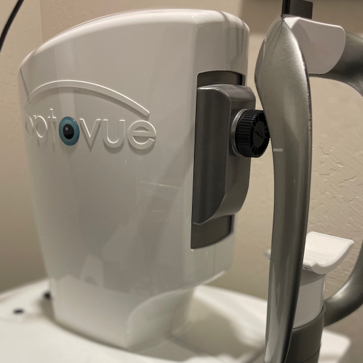
OptiLIGHT uses gentle pulses of light to help calm inflammation around your eyes. Rather than only easing symptoms for a few hours, intense pulsed light (IPL) therapy can help with the inflammation behind many cases of dry eye.
OptiPLUS
Our team also offers modern treatments like OptiPLUS radiofrequency (RF) therapy, which uses gentle warmth to help the oil glands that line your eyelids work well.
Your care plan depends on what’s behind your dry eye, so your eye doctor can recommend the options that fit your eyes.
What Happens During Your Visit
Blurry vision can come from more than dry eye, so a closer look helps. Your visit may include these steps:
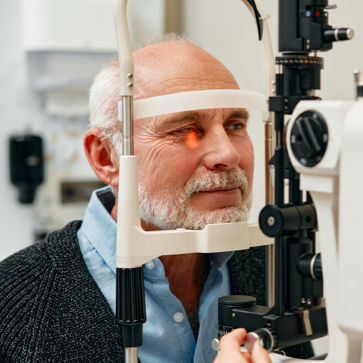
- Your eye doctor checks your tear film and the glands that line your eyelids.
- Your eye doctor looks for other reasons behind your blurry vision.
- Our team helps you plan your next steps.
Clear, Comfortable Vision for Your Whole Family
Visionarium Optometry offers eye exams for kids, parents, and college students, so everyone in your home can get care in one place. Relief options can fit your busy routine, whether you’re juggling soccer practice or cramming for midterms this fall.
Blurry vision from dry eye can make reading, driving, and screen time feel harder than they need to. If your symptoms persist or worsen, an optometrist in San Francisco can help you find relief. Book an appointment with Visionarium Optometry, and our team can help you and your family work toward clearer, more comfortable vision.