
Nearsightedness usually shows up before age 20, and it’s becoming more common among school-age kids. Myopia makes faraway things like road signs look blurry because the eye focuses light just in front of the retina instead of right on it.
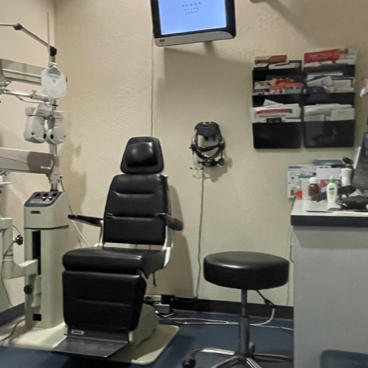
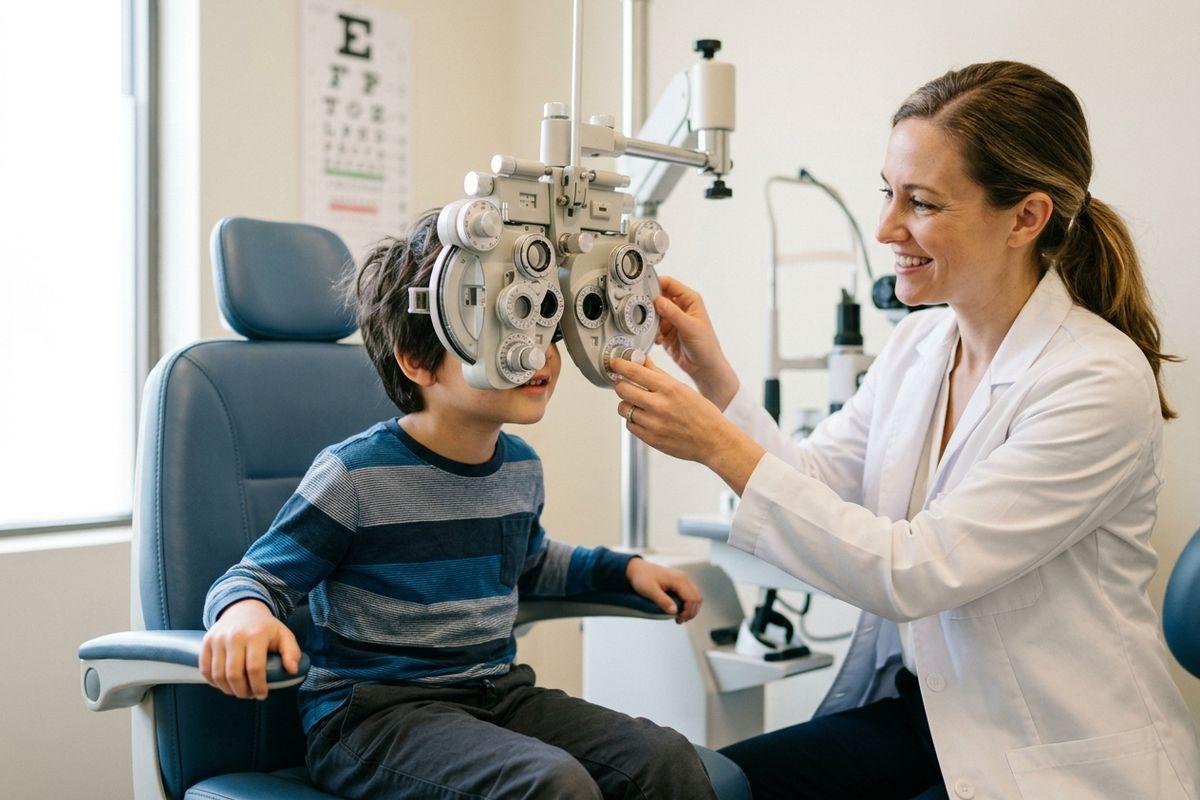
Myopia glasses use concave lenses, which curve inward to move that focus point back onto the retina so distant objects can look clear again. Several lens types can do that job, and the right pair depends on your eyes and how you spend your day. Start with a comprehensive eye exam so your optometrist can measure exactly what you need.
Signs You or Your Child May Need Glasses
Kids don’t always say they can’t see. They just adapt, and the clues show up in everyday moments. Keep an eye out for a few of these signs:
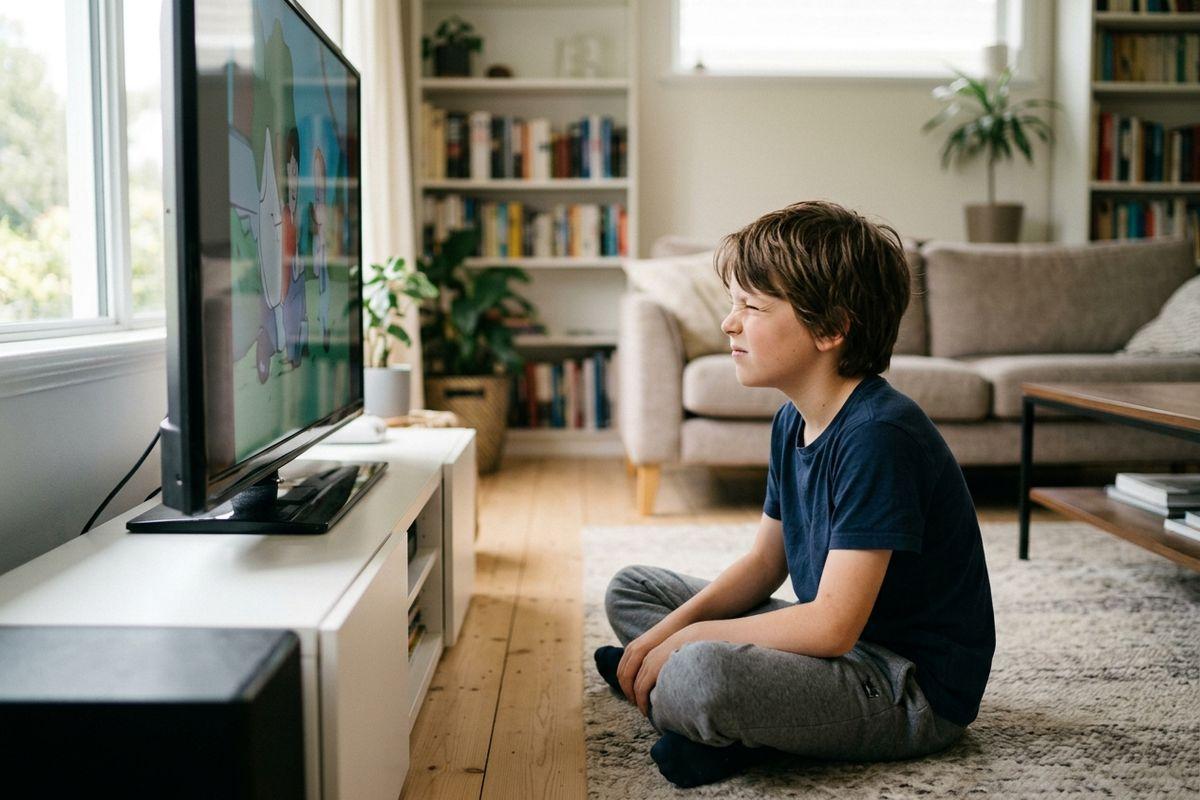
- Squinting to see things across the room
- Sitting close to the TV
- Rubbing their eyes often
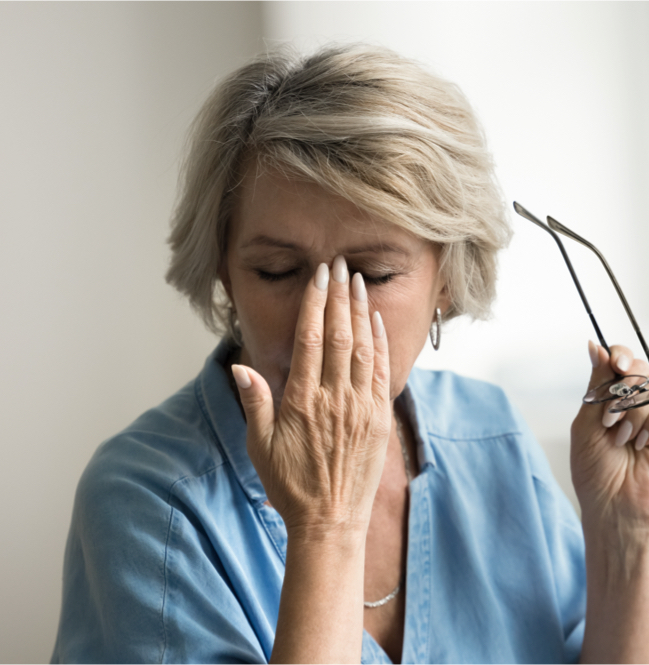
- Getting headaches after school
- Struggling to read the whiteboard (teachers sometimes notice this before parents do)
When Myopia Often Starts
Myopia often appears between ages 6 and 12. Kids with 1 or both parents who are nearsighted have a higher chance of developing it too.
Adults usually notice it on the road. If highway signs don’t come into focus until you’re nearly past them, book an exam, since nearsightedness can change over time.
Types of Myopia Glasses and Lens Options
The right lens depends on your prescription and how you spend your day.
Standard Single-Vision Glasses
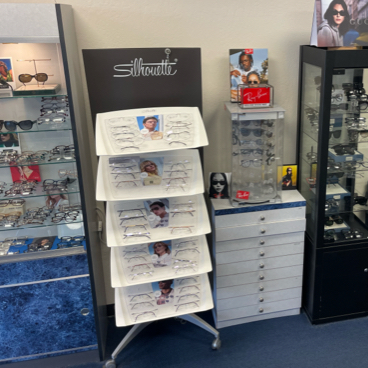
These lenses carry one prescription across the whole surface, made to sharpen distance vision for daily wear. You’ll find plenty of frame shapes, colors, and sizes, so kids and adults can pick something they actually want to wear.
Bifocal and Progressive Lenses
Bifocal lenses split the view into two zones, one for near and one for far. Progressive lenses go a step further with a smooth blend across every distance, so you can read a menu, then glance up at a friend across the table without swapping glasses.
High-Prescription Lens Choices
Stronger prescriptions can mean thicker lenses. High-index material packs the same correction into a thinner, lighter lens, so your glasses feel comfortable and sit better on your face all day.
Glasses for Childhood Myopia Management
Nearsightedness in kids tends to progress because the eye keeps growing longer as they grow. Regular single-vision lenses sharpen distance vision without changing how fast that growth happens.
Myopia control lenses keep a clear zone in the center so your child can see the board. Around it, tiny lenslets focus some light just in front of the retina, and that signal can tell the eye to slow down.
Slower eye growth can help keep a child’s prescription from climbing as quickly. That matters later on, since higher levels of myopia come with a greater risk of serious eye problems in adulthood.
Other Myopia Management Options for Kids
If glasses don’t suit your child’s routine, ask your optometrist about one of these:
- Soft contact lenses designed for myopia control
- Ortho-K lenses, which your child wears overnight to gently reshape the front of the eye
- Low-dose atropine eye drops used at bedtime
Is Your Child a Good Fit for Myopia Control Glasses?
Researchers have studied these lenses in kids between ages 8 and 13 with mild to moderate nearsightedness. Your optometrist may bring them up if your child’s prescription has jumped between exams or if you and your partner both wear glasses.
They’re also an easy first step for kids who aren’t ready to put a contact lens in their eye. Most 8-year-olds would rather not, and plenty of adults feel the same way.
Daily Habits That Support Healthy Eyes with Myopia
Glasses help your eyes see clearly, and a few habits can help protect your family’s vision:
- Send the kids outside to play, since time outdoors may lower the risk of myopia progressing
- Follow the 20-20-20 rule and look at something 20 feet away for 20 seconds every 20 minutes
- Hold books and tablets at a comfortable distance instead of right up to your face
- Book routine eye exams so your optometrist can spot changes early
Choosing Myopia Glasses with Your Family Optometrist
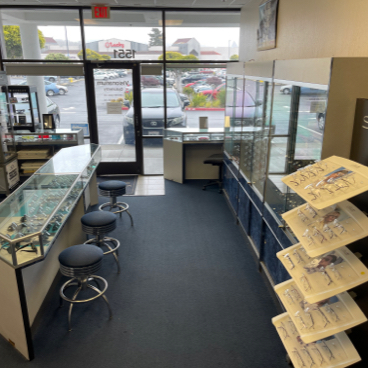
At Visionarium Optometry, we help families in San Francisco find myopia glasses that fit their prescriptions and their routines. That could mean myopia control glasses for a second grader or progressives for mom and dad.
Book an eye exam and bring your questions. We’ll have plenty of frames ready for you to try on.