

Key Takeaways
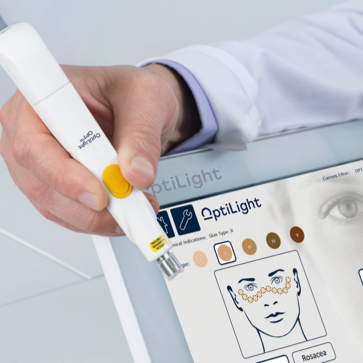
- OptiLIGHT by Lumenis is an FDA-cleared intense pulsed light (IPL) treatment designed specifically to manage dry eye caused by meibomian gland dysfunction (MGD).
- Ideal candidates experience persistent dry eye symptoms like stinging, redness, or a gritty feeling that eye drops no longer relieve.
- Factors like active skin breakouts in the treatment area, recent sun exposure, or pregnancy mean timing needs to be adjusted.
- A comprehensive dry eye evaluation is necessary so that your treatment plan matches your current skin and eye health.
You keep a bottle of artificial tears on your desk, another in your bag, and maybe one on your nightstand. You blink through screen time, rub your eyes during traffic, and hope for relief that lasts longer than 20 minutes.
When eye drops stop cutting it, light-based therapies like OptiLIGHT intense pulsed light (IPL) enter the conversation. You may be a candidate for OptiLIGHT if you have ongoing dry eye symptoms tied to your tear quality, though your skin type, health history, and current medications all factor into the decision, which is why a consultation comes first.
What Is OptiLIGHT?
OptiLIGHT by Lumenis uses precise, intense pulsed light (IPL) energy applied to the skin below and around the eyes. Rather than just adding temporary moisture to the surface of your eye, it targets the underlying causes of dry eye disease:
- Calms inflammation: Light energy targets abnormal blood vessels that release inflammatory signals along the eyelids.
- Unclogs oil glands: The gentle warmth helps liquefy hardened oils trapped inside your meibomian glands, helping your natural tears stay stable and clear.
- Reduces bacterial load: It lowers the concentration of bacteria and microscopic mites (Demodex) along the eyelid margins.
Signs You Might Be an Ideal Candidate
OptiLIGHT is tailored for patients dealing with evaporative dry eye or meibomian gland dysfunction (MGD). You might be a great candidate if:
- Eye drops aren’t enough: You rely heavily on artificial tears or prescription drops, but your eyes still feel scratchy, burning, or fatigued.
- Activities are uncomfortable: Reading, driving at night, or working on computers triggers steady discomfort or blurry vision.
- You want real relief: You want a long-term care plan focused on restoring gland health rather than just applying temporary surface moisture.

Factors That Call for a Pause or Timing Review
Because IPL delivers light energy to the skin, overall skin health in the upper facial region matters. During your initial consultation, your optometrist checks for a few temporary factors that mean holding off or adjusting your schedule:
- Active skin breakouts or lesions: If you have active, inflamed breakouts, papules, or open skin irritation on your cheek or upper face area, IPL treatment is paused until the skin settles to prevent further irritation.
- Recent sun exposure or tanning: Freshly tanned skin contains excess melanin, which absorbs IPL energy differently and raises the risk of skin discoloration.
- Certain medications: Drugs that increase light sensitivity (photosensitizing medications) need to be cleared before starting.
- Pregnancy: Light-based clinical procedures are typically deferred until after pregnancy.
What to Expect During Your Evaluation
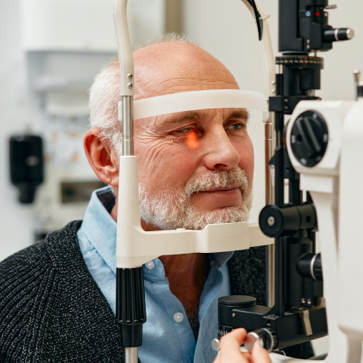
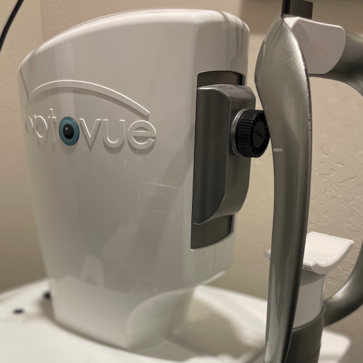
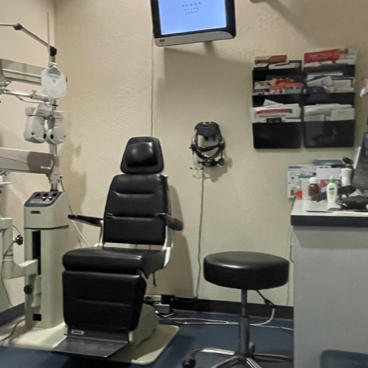
Preparing for OptiLIGHT starts with a dedicated evaluation. Your eye doctor will map out your tear quality, examine the structure of your meibomian glands using diagnostic imaging, and review your overall skin history.
From there, you’ll receive a personalized sequence plan, typically 4 sessions spaced a few weeks apart, designed to restore long-term comfort to your eyes.
Book Your Dry Eye Consultation
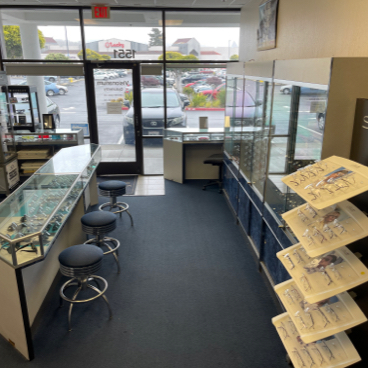
Ready to move past temporary fixes? Our team at Visionarium Optometry is here to walk you through your options and see if OptiLIGHT is the right fit for your vision care goals.
Call our office today to schedule your dry eye assessment and take the first step toward lasting relief.