

Glare off water, wet pavement, or snow can turn a sunny afternoon into hours of squinting, even with your favorite pair of sunglasses on. Regular tinted lenses dim the world around you, but they don’t do much to stop that hard, blinding bounce off flat surfaces. Polarized lenses solve that problem by filtering out horizontal glare, giving you sharper contrast and less eye strain. Before you decide which lenses fit your lifestyle, book an eye exam and read on to see how these lenses actually work.
How Polarized Lenses Work
Light travels in waves. When sunlight hits a flat surface like a lake or a wet road, it bounces back mostly in one direction: horizontal. That concentrated horizontal light is what you feel as glare.
A polarized lens has a filter that works like tiny blinds. It blocks those horizontal waves and lets vertical light through. Look through one, and the world gets calmer. No harsh flash off the hood of a car or the surface of a pool.
Polarized and Non-Polarized Lenses
Both types of lenses protect your eyes, but they don’t do the same job. Here’s where they split.
What Non-Polarized Lenses Do
Standard tinted sunglasses dim the overall brightness around you. They make a sunny day feel softer on your eyes.
When they carry the right label, they also block UV rays that can harm your eyes over time. That protection matters, but dimming brightness and cutting glare are two different jobs.
What Sets Polarized Lenses Apart
Polarized lenses take things further. They cut the glare bouncing off water, roads, and snow, so a day of fishing or a drive home doesn’t leave your eyes worn out.
You’ll also notice sharper contrast and richer color. Ripples on a lake and lines on the road show up crisp instead of washed out by shine.
What Polarized Sunglasses Can Do for Your Eyes
Cut the glare, and your eyes get a break. Less squinting means less of that tight, tired feeling by the end of a long day outside.
Bright light stops fighting you, too. Instead of battling reflections, you can focus on the trail in front of you or the kids playing in the yard.
Here’s what wearing polarized lenses throughout the day may help with:
- Less squinting and eye strain
- Clearer vision in bright conditions
- More comfort during long stretches outdoors
When to Wear Them (and When to Skip Them)
Polarized lenses aren’t a one-size-fits-all choice. Grab them for some activities, and leave them at home for others.
Times They Shine
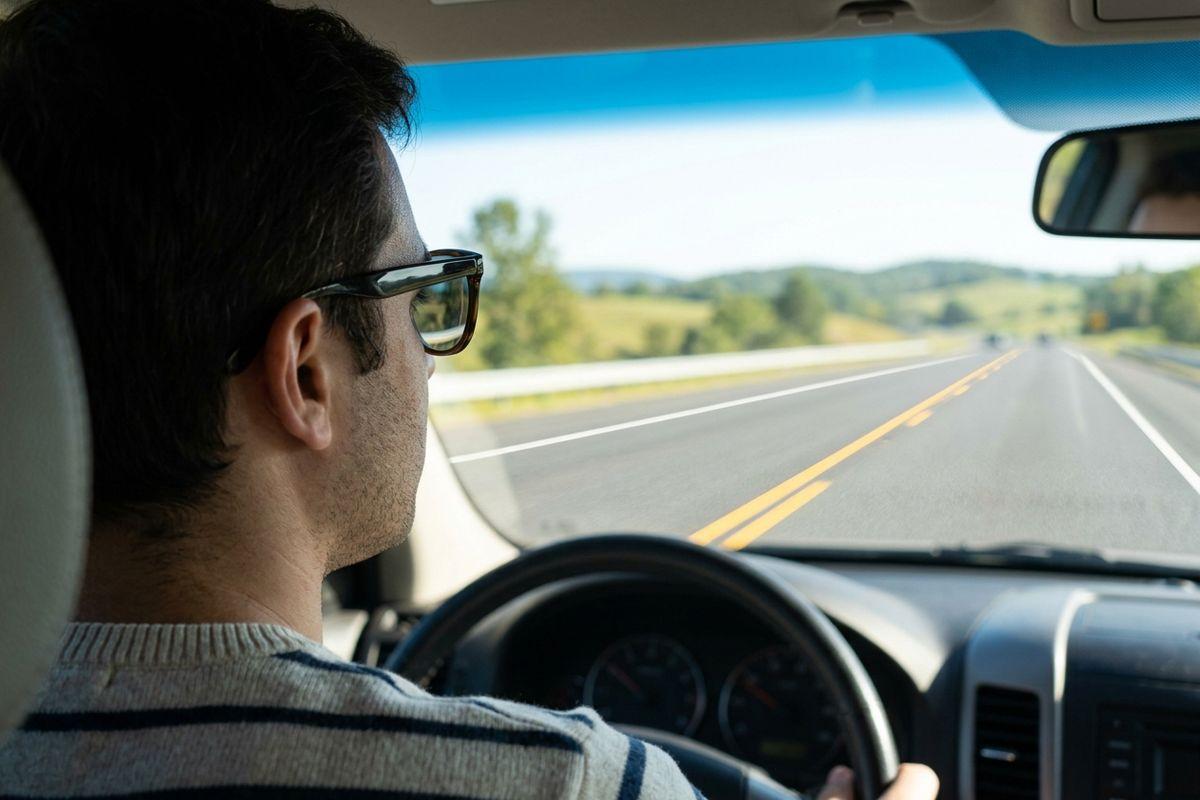
Reach for polarized lenses near water and open roads. They come in handy while you’re driving, fishing, boating, or lounging at the beach.
Snowy hikes count too. Reflections off snow can tire your eyes out fast, and a polarized lens cuts right through that.
Times to Choose Non-Polarized
Sometimes that same filter works against you. Polarized lenses can make certain screens look dark or patchy, so keep a plain tinted pair around for these moments:
- Reading your phone or dashboard displays
- High-speed skiing or snowboarding, where spotting icy patches matters
How to Tell if Your Sunglasses Are Polarized
Not sure what’s sitting on your face right now? Run through these 3 checks, and you’ll know in seconds.
- Tilt your head while looking at a digital screen. Polarized lenses often darken or shift the screen as you turn.
- Watch the glare on a reflective surface, like a car hood or a puddle, as you angle the lenses side to side.
- Compare your pair against sunglasses you already know are polarized, and look for the same reaction.
Ready to Find Your Perfect Pair?
Glare shouldn’t decide how your day goes. Talk with the team at Visionarium Optometry about your daily routine, whether that means weekends on the water or the school week, and they’ll help you land on lenses that actually work for you.
Schedule a visit today and get fitted for a pair that fits your life, not just your face.