

Do your eyes often feel gritty, dry, or just plain uncomfortable? You might chalk it up to a long day or allergies, but the real issue could be hiding on your eyelids. Our team at Visionarium Optometry knows that, when your meibomian glands get clogged, it can lead to constant irritation.
The good news is that you can take steps to clear these blockages and find relief. Unclogging your meibomian glands often starts with proper at-home heat therapy using eye-specific warming masks, while stubborn cases may require professional dry eye treatments to restore healthy oil flow.
What Are Meibomian Glands & Why Do They Matter?
Along the rim of your upper and lower eyelids, you have dozens of tiny oil glands called meibomian glands. You can’t see them, but they have a big job. They produce a special oil that mixes with your tears and coats the surface of your eyes every time you blink.
How This Oil Protects Your Eyes
This oil is a key part of your tear film. It forms a smooth outer layer that prevents your tears from evaporating too quickly. This barrier helps keep your eyes feeling hydrated and comfortable.
Signs Your Meibomian Glands Are Clogged
When your meibomian glands become blocked, the oil they produce is trapped. This is a common condition, and it’s known as meibomian gland dysfunction (MGD). It’s a frequent cause of dry eye symptoms.
Common Symptoms of Meibomian Gland Dysfunction
- A sandy or gritty feeling, like something is in your eye
- Itchy, burning, or red eyes
- Eyelids that look puffy or swollen
- Vision that gets blurry and then clears when you blink
- Watery eyes that tear up for no apparent reason
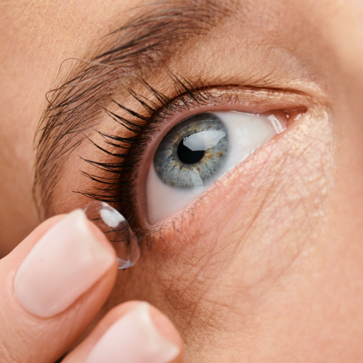
- Increased discomfort while wearing your contact lenses
What Causes These Glands to Block?
Several different factors can cause the oil in your glands to thicken, leading to frustrating blockages. Understanding the potential causes can help you connect your symptoms to what’s happening with your eyes.
Age & Hormones
As you get older, your meibomian glands may not function as efficiently. Hormonal shifts and age-related changes can also alter the consistency of the oil your glands produce, making it thicker and more likely to cause clogs.
Lifestyle Factors
Your daily habits can play a role, too. Extended screen time often leads to less frequent blinking, which means that oil isn’t being spread as efficiently across your eye. Wearing contact lenses can also sometimes interfere with normal gland function.

How to Clear Clogged Glands at Home & Professionally
If you’re dealing with clogged glands, you have options for relief. You can start with simple techniques at home, but for persistent symptoms, an eye doctor can offer more targeted treatments.
Simple At-Home Techniques
Consistent, controlled heat is key to softening hardened oils in the meibomian glands. We no longer recommend using warm towels or washcloths, as they lose heat too quickly and are often ineffective. Instead, we suggest using a microwaveable eye mask specifically designed for dry eye therapy, such as the Bruder Hot Compress. These masks maintain a consistent temperature long enough to properly warm the glands and support healthier oil flow. After heating, gentle eyelid massage may be recommended to help encourage natural oil release.
Professional Treatments for Relief
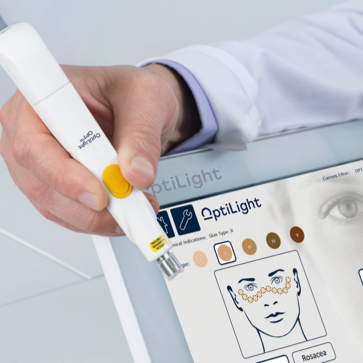
When at-home care doesn’t provide enough relief, we can help. In-office treatments like Intense Pulsed Light (IPL) use gentle light to warm the eyelids and reduce inflammation. Systems such as LipiFlow and OptiPlus use a combination of soothing heat and pressure to effectively clear obstructions. We may also perform meibomian gland expression to manually clear the blockages.
Simple Habits for Healthy Glands
You can support your eye health and help prevent future blockages with a few small adjustments to your daily routine.
Stay Hydrated & Eat Well
Drinking plenty of water is important for your body’s overall hydration—and that includes your eyes. You may also find it helpful to eat foods rich in omega-3 fatty acids, like fish or flaxseed, as they can help improve the quality of the oil your glands produce.
Take Screen Breaks
If you spend a lot of time looking at a screen, try to take regular breaks. A good rule to follow is the 20-20-20 rule—every 20 minutes, look at something 20 feet away for 20 seconds. This simple exercise reminds you to blink, which helps keep your eyes properly lubricated.If your symptoms of dry, irritated eyes don’t improve, we recommend that you schedule an appointment. Our team at Visionarium Optometry can find the cause of your discomfort and create a plan to help you find relief.