

Key Takeaways
- Routine visits take 30 to 60 minutes for most people.
- New patients often need extra time for health paperwork.
- Contact lens fittings add 15 to 30 minutes to the visit.
- Eye dilation drops require an extra 30 minutes to work.
- Preparation helps your appointment go faster
Standard Comprehensive Eye Exams
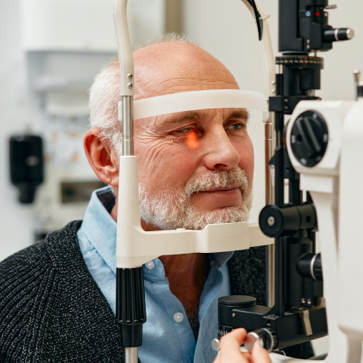
Planning your day gets easier when you know exactly what to expect from your eye exams. A standard comprehensive eye exam at Visionarium Optometry takes about 30 to 60 minutes from start to finish. However, this time period depends on your vision needs and any extra tests that your doctor recommends.
The Average Time for a Routine Eye Exam
Most routine visits stay within the 30 to 60 minute window. This gives your optometrist enough time to check your vision properly.
However, your first visit often takes a little longer. This is because you need time to fill out new patient forms and share your family health history. A returning patient can skip these steps and move straight to the exam room.
Complex vision issues add a few more minutes to the clock. For instance, you might need extra tests if you have dry eye symptoms. However, regardless of the care you need, our team will work efficiently to respect your time while providing thorough care.
Steps Included in Your Vision Check
Health History, Vision Tests, & Eye Chart Review
Your optometrist will ask about your general health and any daily medications you take. This helps us understand how your overall health might be affecting your eyes. Make sure that you share any concerns about blurry vision or frequent headaches.
In order to check that your eyes are healthy, we’ll conduct a few tests to make sure that your vision is working properly. This includes checking for potential issues like glaucoma, cataracts, and diabetic retinopathy.
You’ll also be asked to read letters from the familiar wall chart. This involves covering one eye and reading the smallest row of letters that you can see clearly. This helps measure your visual acuity.
Vision Correction & Muscle Tests
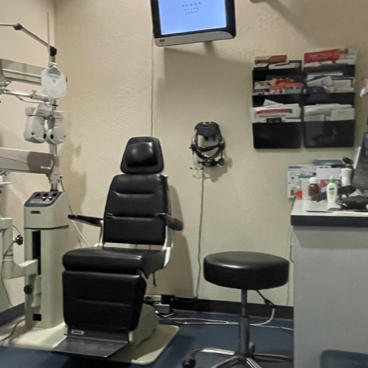
In order to precisely determine the prescription you need (if you need one), your eye doctor will use a machine called a phoropter that allows you to look through different sets of lenses. Based on which lenses provide you with clearer vision, they’ll be able to provide you with a prescription
Muscle tests check how well your eyes team up and move together. You’ll watch a small object as your eye doctor moves it back and forth. Strong eye muscles help you focus on books and screens without fatigue.
Contact Lens Exams & Extra Tests
The Contact Lens Fit
A contact lens exam requires an additional 15 to 30 extra minutes of your time. During this process, your eye doctor will measure the shape of your eyes in order to determine which lenses will fit you well. A proper fit helps your eyes stay comfortable while you’re wearing contacts.
New contact lens wearers will also get to practice safe insertion and removal of their lenses. You’ll leave the office knowing how to handle your new lenses safely.
Detailed Vision Scans
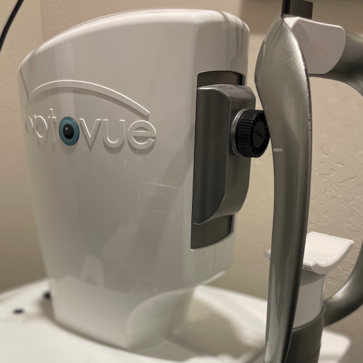
Modern technology allows optometrists to take detailed digital photos of your retina. These images help us track small changes in your eyes over the years.

How Eye Dilation Changes Your Visit
The Timeline for Eye Drops
Dilating eye drops cause your eyes to widen, allowing your optometrist to see the back of your eyes more clearly in order to detect certain eye diseases like diabetic retinopathy These drops need up to 30 minutes to take full effect, and your vision remains blurry for up to six hours afterwards.
Safe Travel After Dilation
Dilation drops make your eyes sensitive to sunlight, so you may want to bring a pair of sunglasses to your appointment. We also suggest arranging for a ride home, as driving may be unsafe until your eyes return to normal.
How to Prepare
Actions to Avoid Before Your Exam
Coffee and energy drinks can raise your blood pressure temporarily. You might want to skip the heavy caffeine on the morning of your visit. High blood pressure can affect the blood vessels in your eyes during the exam.
Make a List of Concerns
A simple written list helps you remember your daily medications and any topics that you want to discuss with your optometrist. Common issues that you might want to bring up include:
- Frequent headaches after reading
- Dry or scratchy feelings in your eyes
- Blurry vision at a distance
- Trouble seeing clearly at night
Visionarium Optometry provides thorough exams to keep your eyes healthy and comfortable. Book an appointment today to experience clear vision for yourself.