
You might notice your child squinting to see the board at school, or maybe you find yourself needing a stronger glasses prescription year after year. It’s a common experience for people with nearsightedness, also known as myopia. You might wonder if this pattern will continue forever.
The answer depends on your age and other factors. Myopia often progresses during childhood and the teen years, but it typically slows down and stabilizes in early adulthood. Understanding why these changes happen with regular eye exams to monitor your family’s eye health is the first step.
What Causes Myopia to Worsen?
You may notice your vision—or your child’s—change over time. Several factors contribute to why nearsightedness can progress.
Genetics and Family History
Family history can play a significant role in your eye health. If you or your partner are nearsighted, your children may be more likely to develop it as well.
Screen Time and Close-Up Work
Spending hours looking at phones, tablets, and computer screens can put a strain on your eyes. Lots of close-up work, like reading or homework, can also affect how your vision develops over the years.
Less Time Outdoors
Spending time outside in natural light seems to have a protective effect on vision. For children, not getting enough outdoor playtime can be a factor in how their nearsightedness progresses.
Myopia Progression in Children and Teens
Myopia often appears in childhood and can change quickly during the school years. This period of rapid growth is an important time for vision care and monitoring.
The Typical Age for Vision Changes
The most significant changes in nearsightedness usually happen between the ages of 6 and 18. During these years, your child’s eyes are growing fast, which can cause their prescription to shift frequently.
Why Regular Eye Exams Are Important
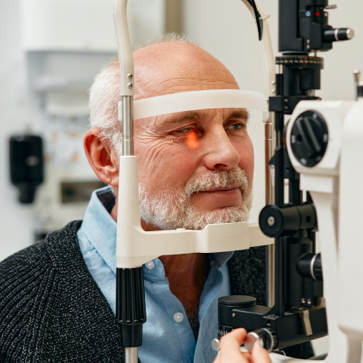
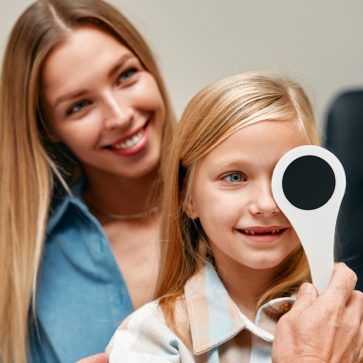
Consistent check-ups through regular eye exams help keep track of these changes. An optometrist, we are in San Francisco can monitor your child’s vision and suggest ways to manage its progression as they grow.
What About Myopia Changes in Adulthood?
While myopia often stabilizes in your early 20s, some adults still notice their prescriptions changing. There are a few reasons this might happen to you.
Reasons Your Prescription Might Shift After 20
Your job and lifestyle can play a part. If your work involves long hours of close-up tasks—like coding on a computer or detailed design work—you might experience some shifts in your vision.
Health Conditions That Affect Vision
Sometimes, vision changes in adulthood can be linked to other health factors. It’s always a good idea to discuss any new symptoms with an eye care professional.
How You Can Manage Myopia Progression
You can’t stop myopia, but you can take proactive steps to help slow it down. Modern treatments focus on managing its progression, especially in kids and teenagers.
Myopia Management Options
An eye doctor might discuss a few different myopia management options with you. Some common approaches for your child include:
- Atropine eye drops: These are low-dose prescription drops that can help slow down the stretching of the eye that makes myopia worse.
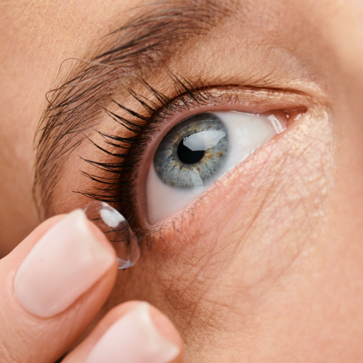
- Ortho-k lenses: These special contact lenses are worn overnight to gently reshape the front surface of the eye, so you can see clearly during the day without glasses or contacts.
- MiSight contact lenses: These are daily disposable soft contact lenses designed specifically to help control myopia progression in children.
Simple Lifestyle Habits to Help Your Eyes
Small changes can make a big difference for your family’s eyes. You can try the 20-20-20 rule—every 20 minutes, look at something 20 feet away for at least 20 seconds. Also, scheduling plenty of time for outdoor activities can be beneficial.
Does Myopia Ever Stop or Reverse?
This is a question many people with glasses or contacts have. The goal of any treatment is to slow the progression down—not to turn back the clock on your vision.
When Vision Typically Stabilizes
For most people, myopia progression slows and finally settles in the early 20s. After that point, your prescription can remain fairly stable throughout your adult life.
Focus on Management, Not Reversal
There isn’t a way to reverse myopia. Modern eye care focuses on effective management strategies to help keep your prescription from getting stronger. A local optometrist in San Francisco can work with you to find a suitable plan for your family.
Start Slowing Progression
While myopia can worsen with age, especially during childhood, its progression often slows down eventually. By understanding the factors at play and exploring management options, you can take an active role in your family’s eye health. Our team at Visionarium Optometry is here to answer your questions about eye exams and myopia control. Schedule a visit to discuss a personalized plan for you or your child.